
ACTIVITIES
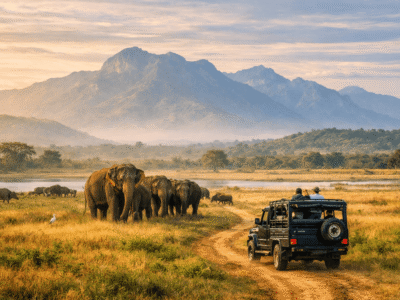
Introduction: Unveiling Sri Lanka’s Elephant Kingdom Sri Lanka, a teardrop-shaped island nation in the Indian Ocean, is a treasure trove of natural beauty and diverse wildlife. Among its many jewels, Udawalawe National Park stands out as a premier destination for wildlife enthusiasts, particularly those eager to witness the majestic Asian elephant in its natural habitat. Often hailed as one of the best places in the world to see wild elephants, Udawalawe offers an intimate and less crowded safari experience compared to some of its more bustling counterparts. This comprehensive guide will take you through everything you need to know to plan an unforgettable adventure to Udawalawe, from its rich history and diverse ecosystems to its incredible wildlife and vital conservation efforts. The Genesis of a Sanctuary: History and Establishment Udawalawe National Park, established on June 30, 1972, was born out of a crucial need for conservation. Its primary purpose was twofold: to provide a safe haven for wild animals displaced by the construction of the Udawalawe Reservoir on the Walawe River and to protect the reservoir’s vital catchment area. Before its designation as a national park, the land was primarily used for shifting cultivation, a practice locally known as “chena” farming. As the park was established, farmers were gradually relocated, allowing the wilderness to reclaim the land. Today, the expansive open grasslands that characterize much of the park are a legacy of these former agricultural practices, ironically creating an ideal environment for wildlife viewing, especially for elephants. Adding another layer to Udawalawe’s conservation story is the Udawalawe Elephant Transit Home (ETH), established in 1995. Located near the park entrance, the ETH serves as a rehabilitation facility for orphaned and injured baby elephants. Unlike more commercial elephant orphanages, the ETH is dedicated solely to rehabilitating these vulnerable calves and releasing them back into the wild, a mission that has garnered international acclaim from conservation organizations. A Tapestry of Landscapes: Geography and Climate Udawalawe National Park spans approximately 308 square kilometers (119 square miles) and is uniquely situated at the fascinating boundary of Sri Lanka’s wet and dry zones. This geographical positioning results in an extraordinary diversity of habitats within the park, including vast open grasslands, dense bush forests, serene marshes, and the expansive Udawalawe Reservoir. The stunning Kalthota Mountain Range provides a dramatic backdrop to this picturesque landscape. Terrain and Features: •Plains & Grasslands: The dominant feature, offering excellent visibility for spotting wildlife from a distance. •Udawalawe Reservoir: A 3,400-hectare man-made lake that acts as a magnet for wildlife, especially during dry periods. •Walawe River: The park’s primary river, home to crocodiles and water monitors. •Kalthota Range: Mountains to the north, featuring the beautiful Diyawini Falls. •Rock Outcrops: Bambaragala and Reminikotha outcrops provide striking photographic opportunities. Climate: •Temperature: Average 27–28°C (81–82°F) year-round, ensuring a comfortable safari experience. •Rainfall: Approximately 1,500mm annually, with main rainy seasons from October to January and March to May. The dry season runs from May to September. •Humidity: Ranges from 70–83% relative humidity, with mornings being cooler and more pleasant for safaris. The Heart of the Wild: Udawalawe’s Incredible Wildlife Udawalawe’s diverse ecosystems support an astonishing array of flora and fauna. The park boasts 94 plant species, 21 fish, 12 amphibians, 33 reptiles, 184 birds (including 33 migratory species), 43 mammals, and 135 butterfly species. While every safari offers unique sightings, certain animals are the undisputed stars of Udawalawe. The Majestic Asian Elephants: Udawalawe’s Crown Jewels With an estimated 250 to 500 elephants permanently residing within its boundaries, Udawalawe offers arguably the most reliable wild elephant sightings in all of Asia. The park’s open grasslands provide unobstructed views of entire herds – mothers with their calves, young bulls, and magnificent tuskers – a stark contrast to the denser vegetation found in other parks. Elephants are particularly drawn to the Udawalawe Reservoir, especially during the dry months when water sources become scarce. It’s not uncommon to witness groups of 20 to 50 elephants gathering at the water’s edge, a truly awe-inspiring spectacle. Beyond the Giants: A Rich Biodiversity While elephants are the main attraction, Udawalawe is home to a plethora of other fascinating creatures: •Sri Lankan Leopard: Though more elusive than in Yala National Park, the Sri Lankan leopard (Panthera pardus kotiya) is present. Sightings are rare but incredibly rewarding, often occurring in the denser forested areas during dawn or dusk. •Sri Lankan Sloth Bear: One of the park’s shyest residents, a sighting of the Sri Lankan sloth bear is considered exceptionally special. These shaggy bears primarily feed on termites and fruits and are most active during cooler hours. •Deer Species: Healthy populations of Sri Lankan sambar deer, Sri Lankan axis deer (spotted deer), Indian muntjac (barking deer), and the tiny Sri Lankan spotted chevrotain (mouse deer) can be observed grazing across the plains. •Other Mammals: Wild water buffalo, wild boar, three species of mongoose, golden palm civets, jackals, and the endemic Ceylon spiny mouse contribute to the park’s rich mammalian diversity. •Reptiles: Mugger crocodiles are a common sight, often basking on the banks of the Walawe River and reservoir. Asian water monitors and Bengal monitors patrol the grasslands, while 30 species of snakes, including the Indian python, inhabit the park. Colorful Oriental garden lizards add vibrant splashes of color. •Avian Wonders: Udawalawe is a birdwatcher’s paradise, boasting 184 recorded species. Highlights include endemic birds like the Sri Lanka Junglefowl, Sri Lanka Spurfowl, and Sri Lanka Grey Hornbill, alongside spectacular Indian Peafowl, Painted Storks, Spot-billed Pelicans, and various raptors such as the White-bellied Sea Eagle and Crested Serpent Eagle. The reservoir attracts large congregations of water birds, including migratory species during winter months. •Butterflies: With 135 recorded species, Udawalawe’s diverse habitats support a vibrant butterfly population, adding delicate beauty to the rugged landscape. The Elephant Transit Home: A Beacon of Hope The Udawalawe Elephant Transit Home (ETH) is a testament to Sri Lanka’s commitment to elephant conservation. This ethical rehabilitation facility rescues orphaned and injured baby elephants, providing them with veterinary care, nourishment, and a safe environment