
Day: May 28, 2026
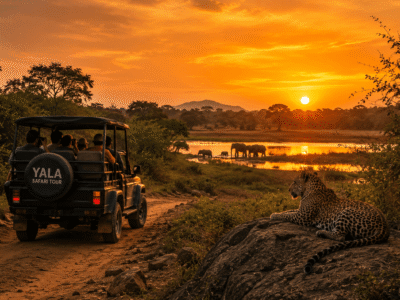
Introduction: Unveiling the Majesty of Yala National Park Sri Lanka, an island nation celebrated for its vibrant culture and breathtaking landscapes, is also a prime destination for wildlife enthusiasts. Among its many natural wonders, Yala National Park stands out as a beacon of biodiversity, renowned globally for its exceptional leopard population. A safari in Yala is not merely a tour; it’s an immersive journey into the untamed heart of Sri Lanka, where ancient ecosystems thrive and majestic creatures roam free. This comprehensive guide will delve into everything you need to know to plan an unforgettable Yala Safari Tour, from its rich history and diverse habitats to its incredible wildlife and essential practical tips for visitors. A Legacy of Wilderness: History and Establishment of Yala National Park Yala National Park boasts a storied history as a protected wilderness, stretching back over a century. The area was first designated as a wildlife sanctuary in 1900 and later elevated to a national park in 1938, making it one of Sri Lanka’s oldest and most significant protected areas. Initially, under British rule, parts of Yala were unfortunately used as hunting grounds, a stark contrast to its current status as a vital conservation zone. Throughout the 1970s and 1980s, Yala faced challenges from poaching and habitat loss. However, sustained conservation efforts by the Department of Wildlife Conservation and various non-governmental organizations have been instrumental in restoring its ecological balance. In 2004, the park’s coastal stretch was tragically impacted by the Indian Ocean tsunami, resulting in significant loss of both wildlife and human life. Despite this devastating event, Yala has demonstrated remarkable resilience, recovering to remain one of Sri Lanka’s most rewarding destinations for experiencing true wilderness. Beyond its natural significance, Yala is also rich in cultural history, housing well-preserved ancient temples such as Sithulpahuwa and Magul Vihara within its boundaries, adding another layer of depth to its allure. A Mosaic of Landscapes: Geography and Ecosystems Yala National Park is strategically located in the southeastern region of Sri Lanka, bordered by the powerful Indian Ocean on one side and dense jungle on the other. Covering an expansive area of approximately 979 square kilometers (378 square miles), Yala is a mosaic of diverse ecosystems. This varied terrain includes dry monsoon forests, scrub jungles, grasslands, freshwater and brackish water wetlands, lagoons, and even sandy beaches. This unique blend of habitats contributes to the park’s extraordinary biodiversity. The park is divided into five blocks, or zones, each offering a distinct experience. Block I, often referred to as Zone 1, is the most accessible and popular among tourists due to its high wildlife density and excellent viewing opportunities. Blocks III, IV, and V are wilder and less frequently visited, often reserved for research or specialized safaris. The presence of coastal wilderness, with elephants sometimes seen near or even on the beach, makes Yala a truly unique destination globally. The Apex Predator: Yala’s World-Famous Leopards Yala National Park is globally celebrated for having one of the highest densities of leopards in the world. The Sri Lankan leopard (Panthera pardus kotiya) is the undisputed star of the show here, and for many visitors, spotting this elusive big cat is the ultimate safari goal. Block I, in particular, is known for its significant leopard population, with an estimated 25-30 individuals roaming this area alone. While leopard sightings are never guaranteed, Yala offers an unparalleled chance to witness these magnificent creatures in their natural habitat. Patience and a keen eye, often aided by an experienced guide, are key. Guides are adept at tracking and locating leopards, often communicating with other safari drivers to share information on sightings, increasing the chances of a memorable encounter. The thrill of searching for these powerful predators amidst Yala’s rugged landscapes is an experience in itself, making every rustle in the bushes and every distant call a moment of heightened anticipation. Beyond the Leopard: A Symphony of Wildlife While leopards may steal the spotlight, Yala National Park is home to a spectacular array of other wildlife, making every safari a rich tapestry of encounters. The Gentle Giants: Asian Elephants Asian elephants are another prominent feature of Yala. While Udawalawe National Park is often considered the premier elephant park in Sri Lanka, Yala also boasts a healthy population. Witnessing these gentle giants in their natural environment, whether they are grazing peacefully, bathing in waterholes, or interacting within their family units, is always a moving experience. Yala’s diverse landscapes provide ample foraging grounds and water sources for these magnificent creatures. Other Mammals: A Diverse Cast Beyond elephants and leopards, Yala’s mammalian residents include the elusive Sri Lankan sloth bear, a shaggy, nocturnal creature that is a rare but exciting sighting. Wild water buffalo are commonly seen wallowing in lagoons, while sambar deer, spotted deer, and wild boar are frequently encountered across the plains and in forested areas. Other fascinating mammals include jackals, mongoose, and various species of monkeys, such as toque macaques and grey langurs, whose playful antics often entertain safari-goers. Reptilian Wonders: Crocodiles and Monitors Yala’s wetlands and water bodies are home to a significant population of reptiles. Mugger crocodiles are a common sight, often seen basking on riverbanks or lurking in the murky waters of lagoons. Estuarine crocodiles, larger and more formidable, also inhabit the park. Water monitor lizards are frequently observed, adding to the prehistoric feel of the landscape. The park also harbors a variety of snakes, though they are less commonly seen by visitors. Avian Paradise: A Birder’s Dream Yala is a true paradise for birdwatchers, boasting over 215 recorded bird species, including several endemics and a significant number of migratory birds. The park’s diverse habitats, from coastal lagoons to dense forests, attract a wide range of avian life. Highlights include vibrant painted storks, majestic eagles and hawks, colorful kingfishers, and various species of herons and egrets. During the migratory season (typically November to January), the park’s wetlands become a bustling hub for waterfowl, offering spectacular birding opportunities. Planning Your Yala Safari: Essential Tips for Visitors
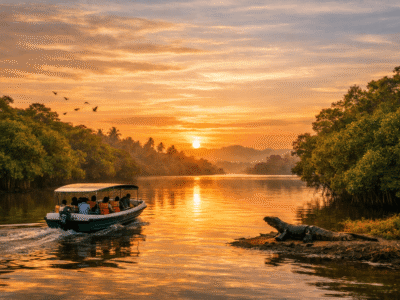
Introduction: Unveiling the Serenity of Bentota River Sri Lanka, an island paradise famed for its pristine beaches and ancient ruins, also harbors a hidden gem for nature lovers: the Bentota River. While many visitors flock to its golden sands, a journey along the Bentota River offers a profoundly different, yet equally captivating, experience. The Bentota River Safari is an enchanting escape into a world where lush mangroves form intricate tunnels, exotic wildlife thrives, and the gentle rhythm of the water dictates the pace of life. This comprehensive guide invites you to explore the unique charm of this serene waterway, detailing its ecological wonders, cultural insights, and practical tips for an unforgettable adventure. The Lifeline of Bentota: Geography and Ecosystem The Bentota Ganga, or Bentota River, is a significant waterway in southern Sri Lanka, flowing for approximately 60-65 kilometers before gracefully merging with the Indian Ocean. This river creates a unique estuarine environment, a delicate balance of freshwater and saltwater that fosters an incredibly rich and diverse ecosystem. The most prominent feature of the Bentota River is its extensive mangrove forests. These vital coastal wetlands act as natural filters, protecting the coastline from erosion, and serving as nurseries for countless marine species. The intricate root systems of the mangroves create a labyrinth of narrow tunnels, offering a mesmerizing passage for safari boats and a sheltered habitat for a myriad of creatures. The river’s journey through varying landscapes, from dense jungle to open stretches of water, contributes to its ecological richness. The calm waters and lush surroundings provide a stark contrast to the bustling coastal towns, offering a tranquil sanctuary for both wildlife and visitors seeking a peaceful communion with nature. A Kaleidoscope of Life: Wildlife Encounters on the Bentota River The Bentota River Safari is a paradise for wildlife enthusiasts, offering opportunities to observe a diverse range of species in their natural habitat. While it may not boast the large mammals of a terrestrial safari, the river’s ecosystem is teeming with fascinating creatures, from elusive reptiles to vibrant birdlife. Reptiles: The River’s Ancient Guardians One of the most anticipated sightings on a Bentota River Safari is the water monitor lizard. These impressive reptiles, often seen basking on riverbanks or gracefully swimming through the water, are a common and captivating sight. Their prehistoric appearance and calm demeanor add an element of ancient mystery to the journey. While rarer, the river is also home to crocodiles. These apex predators are more elusive, often lurking beneath the surface or camouflaged along the muddy banks, making a sighting a thrilling highlight for any safari-goer. Expert guides, with their keen eyes and intimate knowledge of the river, significantly increase the chances of spotting these hidden inhabitants. Avian Wonders: A Birder’s Delight The Bentota River is a haven for birdwatchers, with a spectacular array of avian species gracing its skies and shores. The dense mangroves and surrounding vegetation provide ideal nesting and feeding grounds. Among the most commonly spotted birds are the vibrant kingfishers, darting through the air with flashes of iridescent blue and orange. Several species of herons and egrets can be seen patiently stalking their prey in the shallows, while the majestic Brahminy kites soar overhead, their distinctive calls echoing across the water. Other notable sightings include various species of cormorants, bee-eaters, and even some migratory birds depending on the season. The tranquil environment allows for excellent photographic opportunities, capturing these feathered beauties in their natural splendor. Mammals and More: Hidden Gems of the Jungle While large mammals are not the primary focus, the riverbanks and surrounding trees are home to several interesting species. Monkeys, particularly Toque macaques and langurs, are frequently seen swinging through the branches, their playful antics adding a lively touch to the safari. Their curious gazes often follow the passing boats, providing entertaining interactions. The river also supports a variety of smaller mammals and insects, contributing to the rich biodiversity of the area. The intricate web of life here is a testament to the health and vitality of the mangrove ecosystem. Cultural Immersion: Beyond the Wildlife The Bentota River Safari offers more than just wildlife viewing; it’s an opportunity to connect with the local culture and traditions that have flourished along its banks for centuries. Several river islands dot the waterway, each with its own unique story and offerings. Cinnamon Island: Aromatic Traditions A highlight for many visitors is a stop at Cinnamon Island. Here, you can witness the traditional process of cinnamon cultivation and production. Local families have been perfecting this ancient craft for generations, and they are often eager to share their knowledge. Visitors can learn about the harvesting of cinnamon bark, the intricate peeling process, and the various uses of this prized spice, from culinary delights to medicinal properties. It’s a sensory experience, with the sweet, spicy aroma of cinnamon filling the air, and an insightful glimpse into a significant aspect of Sri Lankan heritage. Local Communities and Temples The safari often passes by small, traditional fishing villages and local communities, offering a glimpse into the daily lives of the riverine inhabitants. Some tours may include visits to ancient temples or meditation centers nestled along the riverbanks, providing a moment of spiritual reflection and an understanding of the island’s rich Buddhist culture. These stops offer a chance to interact with locals, appreciate their way of life, and perhaps even sample some authentic Sri Lankan refreshments. Fish Therapy: A Unique Experience For those seeking a unique and relaxing interlude, some Bentota River Safaris offer fish therapy. In designated areas, visitors can dip their feet into the river, allowing small fish to gently nibble away dead skin cells. It’s a peculiar yet surprisingly soothing experience, often met with laughter and delight, adding a quirky touch to the adventure. Planning Your Bentota River Safari: Practical Tips To make the most of your Bentota River Safari, consider these practical tips: Best Time to Visit The dry season, from December to April, is generally considered the best time for a Bentota River