
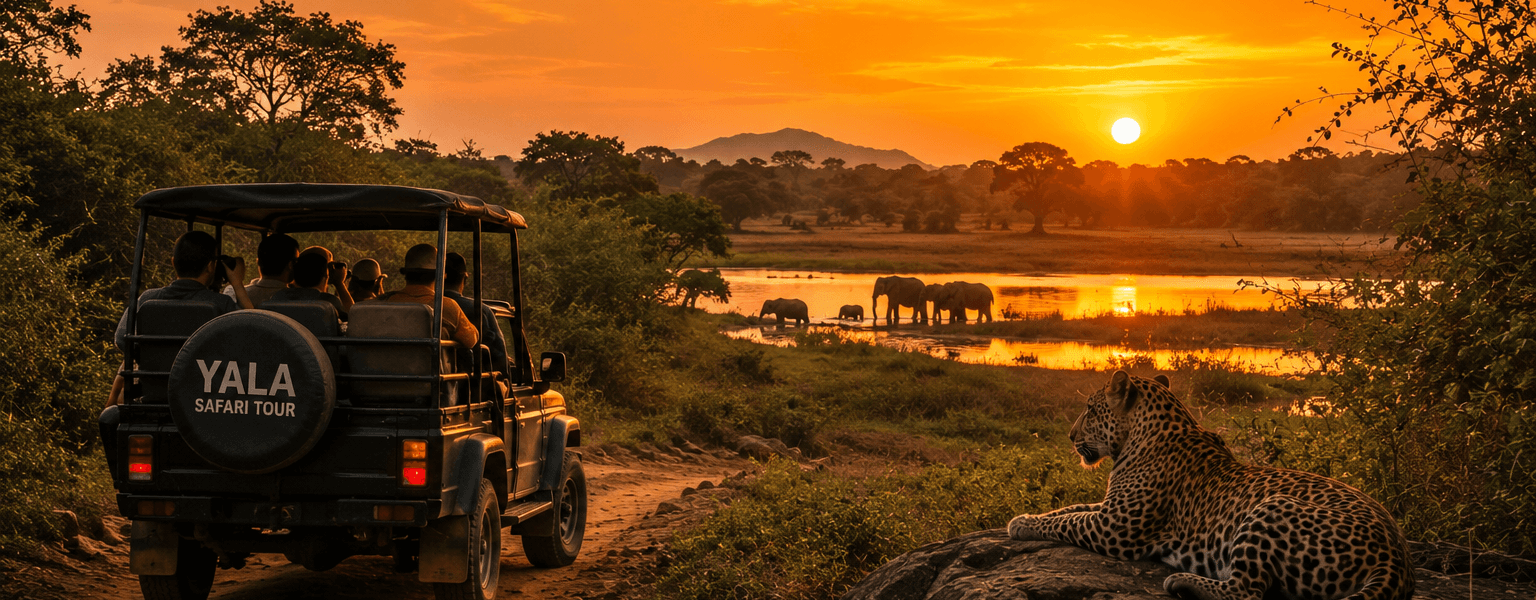
Introduction: Unveiling the Majesty of Yala National Park
Sri Lanka, an island nation celebrated for its vibrant culture and breathtaking landscapes, is also a prime destination for wildlife enthusiasts. Among its many natural wonders, Yala National Park stands out as a beacon of biodiversity, renowned globally for its exceptional leopard population. A safari in Yala is not merely a tour; it’s an immersive journey into the untamed heart of Sri Lanka, where ancient ecosystems thrive and majestic creatures roam free. This comprehensive guide will delve into everything you need to know to plan an unforgettable Yala Safari Tour, from its rich history and diverse habitats to its incredible wildlife and essential practical tips for visitors.
A Legacy of Wilderness: History and Establishment of Yala National Park
Yala National Park boasts a storied history as a protected wilderness, stretching back over a century. The area was first designated as a wildlife sanctuary in 1900 and later elevated to a national park in 1938, making it one of Sri Lanka’s oldest and most significant protected areas. Initially, under British rule, parts of Yala were unfortunately used as hunting grounds, a stark contrast to its current status as a vital conservation zone.
Throughout the 1970s and 1980s, Yala faced challenges from poaching and habitat loss. However, sustained conservation efforts by the Department of Wildlife Conservation and various non-governmental organizations have been instrumental in restoring its ecological balance. In 2004, the park’s coastal stretch was tragically impacted by the Indian Ocean tsunami, resulting in significant loss of both wildlife and human life. Despite this devastating event, Yala has demonstrated remarkable resilience, recovering to remain one of Sri Lanka’s most rewarding destinations for experiencing true wilderness.
Beyond its natural significance, Yala is also rich in cultural history, housing well-preserved ancient temples such as Sithulpahuwa and Magul Vihara within its boundaries, adding another layer of depth to its allure.
A Mosaic of Landscapes: Geography and Ecosystems
Yala National Park is strategically located in the southeastern region of Sri Lanka, bordered by the powerful Indian Ocean on one side and dense jungle on the other. Covering an expansive area of approximately 979 square kilometers (378 square miles), Yala is a mosaic of diverse ecosystems. This varied terrain includes dry monsoon forests, scrub jungles, grasslands, freshwater and brackish water wetlands, lagoons, and even sandy beaches. This unique blend of habitats contributes to the park’s extraordinary biodiversity.
The park is divided into five blocks, or zones, each offering a distinct experience. Block I, often referred to as Zone 1, is the most accessible and popular among tourists due to its high wildlife density and excellent viewing opportunities. Blocks III, IV, and V are wilder and less frequently visited, often reserved for research or specialized safaris. The presence of coastal wilderness, with elephants sometimes seen near or even on the beach, makes Yala a truly unique destination globally.
The Apex Predator: Yala’s World-Famous Leopards
Yala National Park is globally celebrated for having one of the highest densities of leopards in the world. The Sri Lankan leopard (Panthera pardus kotiya) is the undisputed star of the show here, and for many visitors, spotting this elusive big cat is the ultimate safari goal. Block I, in particular, is known for its significant leopard population, with an estimated 25-30 individuals roaming this area alone.
While leopard sightings are never guaranteed, Yala offers an unparalleled chance to witness these magnificent creatures in their natural habitat. Patience and a keen eye, often aided by an experienced guide, are key. Guides are adept at tracking and locating leopards, often communicating with other safari drivers to share information on sightings, increasing the chances of a memorable encounter. The thrill of searching for these powerful predators amidst Yala’s rugged landscapes is an experience in itself, making every rustle in the bushes and every distant call a moment of heightened anticipation.
Beyond the Leopard: A Symphony of Wildlife
While leopards may steal the spotlight, Yala National Park is home to a spectacular array of other wildlife, making every safari a rich tapestry of encounters.
The Gentle Giants: Asian Elephants
Asian elephants are another prominent feature of Yala. While Udawalawe National Park is often considered the premier elephant park in Sri Lanka, Yala also boasts a healthy population. Witnessing these gentle giants in their natural environment, whether they are grazing peacefully, bathing in waterholes, or interacting within their family units, is always a moving experience. Yala’s diverse landscapes provide ample foraging grounds and water sources for these magnificent creatures.
Other Mammals: A Diverse Cast
Beyond elephants and leopards, Yala’s mammalian residents include the elusive Sri Lankan sloth bear, a shaggy, nocturnal creature that is a rare but exciting sighting. Wild water buffalo are commonly seen wallowing in lagoons, while sambar deer, spotted deer, and wild boar are frequently encountered across the plains and in forested areas. Other fascinating mammals include jackals, mongoose, and various species of monkeys, such as toque macaques and grey langurs, whose playful antics often entertain safari-goers.
Reptilian Wonders: Crocodiles and Monitors
Yala’s wetlands and water bodies are home to a significant population of reptiles. Mugger crocodiles are a common sight, often seen basking on riverbanks or lurking in the murky waters of lagoons. Estuarine crocodiles, larger and more formidable, also inhabit the park. Water monitor lizards are frequently observed, adding to the prehistoric feel of the landscape. The park also harbors a variety of snakes, though they are less commonly seen by visitors.
Avian Paradise: A Birder’s Dream
Yala is a true paradise for birdwatchers, boasting over 215 recorded bird species, including several endemics and a significant number of migratory birds. The park’s diverse habitats, from coastal lagoons to dense forests, attract a wide range of avian life. Highlights include vibrant painted storks, majestic eagles and hawks, colorful kingfishers, and various species of herons and egrets. During the migratory season (typically November to January), the park’s wetlands become a bustling hub for waterfowl, offering spectacular birding opportunities.
Planning Your Yala Safari: Essential Tips for Visitors
To ensure a rewarding and enjoyable Yala Safari Tour, careful planning is essential.
Best Time to Visit
The best time to visit Yala National Park is generally during the dry season, from February to July. During these months, water levels are low, causing animals to congregate around the remaining waterholes, making them easier to spot. The weather is also more favorable, with less rainfall.
It’s important to note that Blocks 1 and 2 of Yala National Park are typically closed for a period in September and October for maintenance and to allow the ecosystem to recover. During this time, safaris may be diverted to other blocks or nearby national parks like Lunugamvehera, which might offer different wildlife viewing experiences.
Safari Timing Within the Day:
The park is open from 6:00 AM to 6:00 PM daily. The two most productive times for wildlife sightings are:
•Early Morning (6:00–9:00 AM): Animals are most active during the cooler hours, and the soft morning light is ideal for photography. This is often considered the best time for leopard sightings.
•Late Afternoon (3:00–6:00 PM): As temperatures cool, animals emerge from their midday rest, heading towards water sources. The golden hour light also provides excellent photographic opportunities.
Safari Logistics: Guides, Jeeps, and Costs
•Mandatory Guides: Every jeep entering Yala National Park must be accompanied by a registered guide or tracker. A good guide is invaluable, possessing extensive knowledge of the park, its wildlife, and the best routes to maximize sightings. They are also in constant communication with other drivers, increasing the chances of locating elusive animals like leopards.
•Jeep Safaris: Safaris are conducted in open-top 4×4 jeeps, offering unobstructed views. Most tours are either half-day (morning or afternoon) or full-day. It’s advisable to book through reputable operators.
•Cost: Safari costs typically include the jeep hire, park entrance fees, and guide services. Prices can vary based on the duration of the safari, whether it’s a private or shared tour, and the operator. Expect to pay approximately LKR 18,000 – 25,000 (USD 55 – 75) per jeep for a half-day safari.
Getting There
Yala National Park is located in the southeast of Sri Lanka. The main gateway town for Yala is Tissamaharama (Tissa), from where it’s a short drive to the Palatupana Gate, the main entrance to Block I.
•From Colombo: The journey takes approximately 5-7 hours by car or private transfer. Public buses are also available but take longer.
•From Southern Coast (Mirissa, Hiriketiya): Around 3-4 hours by car or bus.
•From Ella: Approximately 3-4 hours by car or bus.
Essential Packing List
•Lightweight Clothing: Comfortable, breathable clothing in neutral colors is recommended.
•Sun Protection: Hat, sunglasses, and high-SPF sunscreen are crucial.
•Insect Repellent: Essential, especially during early morning and late afternoon.
•Camera and Binoculars: A good zoom lens for your camera and binoculars will significantly enhance your wildlife viewing and photography experience.
•Water and Snacks: Stay hydrated, especially during longer safaris.
•Comfortable Footwear: While most of the safari is done from the jeep, comfortable shoes are good for any brief stops.
Yala vs. Other National Parks: Making Your Choice
When planning a safari in Sri Lanka, Yala is often compared with Udawalawe and Wilpattu National Parks. While each offers a unique experience, Yala’s distinct advantage lies in its high leopard density.
•Yala vs. Udawalawe: Yala is the undisputed champion for leopard sightings, though it can be more crowded. Udawalawe, on the other hand, offers almost guaranteed elephant sightings and a generally quieter, more intimate experience.
•Yala vs. Wilpattu: Wilpattu is Sri Lanka’s largest national park and offers a more remote, less crowded safari experience with good chances of seeing leopards and sloth bears, but sightings can be more challenging due to its dense vegetation.
For those prioritizing the thrill of spotting a leopard, Yala remains the top choice. However, it’s important to manage expectations regarding crowds, especially during peak season.
Conclusion: An Unforgettable Expedition into the Wild
An Experience Yala Safari Tour is an expedition into a world where nature reigns supreme. It’s an opportunity to witness the raw beauty of Sri Lanka’s wilderness, from its diverse landscapes to its incredible array of wildlife. The thrill of searching for the elusive leopard, the awe of encountering majestic elephants, and the joy of observing countless bird species create memories that last a lifetime. Yala National Park is more than just a destination; it’s an adventure that connects you with the wild heart of Sri Lanka, leaving you with a profound appreciation for its natural heritage and the importance of conservation. Prepare to be captivated by the untamed beauty and vibrant life that thrives within this extraordinary national park.